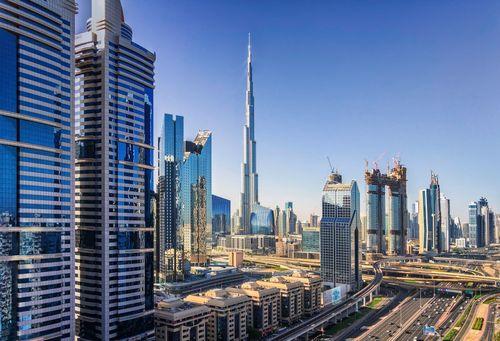
Dubai has earned a reputation as a global business hub, attracting entrepreneurs and investors from around the world. When considering company formation in Dubai, understanding the available options is essential. There are two primary categories of companies: Mainland companies and Freezone companies. In this article, we will explore the different types of companies available for registration in Dubai, focusing on both Mainland and Freezone options, and discuss the pros and cons of each in terms of ease of registration, fees, and taxes.
Mainland Companies
Mainland companies in Dubai are also known as onshore companies. They are registered with the Department of Economic Development (DED) and are permitted to conduct business within the local market as well as outside the UAE without any restrictions. Here are the main types of Mainland companies:
Sole Proprietorship
Ownership: 100% owned by a single individual. Registration: Requires a UAE national as a Local Service Agent (LSA) or a Local Sponsor with a 51% share.
Pros: Simple registration process and access to the local market.
Cons: The UAE national involvement might lead to loss of operational control.
Civil Company
Ownership: Suitable for professionals like doctors, engineers, and artisans. Registration: Requires 100% UAE national ownership as partners or shareholders.
Pros: Ideal for service-oriented businesses and low startup costs.
Cons: The UAE national partners may have a significant say in business decisions.
Limited Liability Company (LLC)
Ownership: Requires a minimum of two and a maximum of fifty shareholders. Registration: Allows non-UAE nationals to own up to 49% of the company, with 51% owned by UAE nationals or a corporate sponsor.
Pros: Flexibility in operations and access to local markets.
Cons: Shared ownership may limit decision-making authority for foreign investors.
Public Joint Stock Company (PJSC)
Ownership: For large businesses seeking public investment. Registration: Requires a minimum of ten founding shareholders, and the company can offer shares to the public.
Pros: Attracts significant investments and access to capital markets.
Cons: Complex registration process, stringent reporting requirements, and shareholder scrutiny.
Freezone Companies
Freezone companies are registered in specific designated zones across Dubai, offering several incentives and benefits to foreign investors. Here are some prominent Freezones and their respective features:
Jebel Ali Free Zone (JAFZA)
Pros: 100% foreign ownership, tax exemptions, full repatriation of profits, and easy access to Jebel Ali Port, one of the largest ports in the region.
Cons: Relatively high setup and operational costs compared to other Freezones.
Dubai Multi Commodities Centre (DMCC)
Pros: 100% foreign ownership, no personal income taxes, state-of-the-art infrastructure, and excellent logistics services.
Cons: Restricted to businesses dealing with commodities and related services.
Dubai Silicon Oasis (DSO)
Pros: 100% foreign ownership, relaxed visa regulations, and state-of-the-art infrastructure tailored for technology-based companies.
Cons: Limited to technology-focused businesses, and stringent licensing requirements.
Dubai Internet City (DIC)
Pros: 100% foreign ownership, tax benefits, and a thriving ecosystem for IT and media companies.
Cons: Limited to IT and media-related businesses.
Dubai Media City (DMC)
Pros: 100% foreign ownership, no currency restrictions, and a conducive environment for media and marketing companies.
Cons: Restricted to media-related businesses.
Dubai Airport Freezone (DAFZA)
Pros: Strategic location near the airport, 100% foreign ownership, and access to numerous global markets.
Cons: Limited to aviation, logistics, and trading sectors.
Dubai offers a diverse range of company formation options, catering to various business needs and investor preferences. Mainland companies provide access to the local market but may involve UAE national partnership. On the other hand, Freezone companies offer 100% foreign ownership, tax benefits, and a specialised environment but may have limited business activities.
Choosing the right company type largely depends on the nature of your business, market objectives, and long-term goals. Consulting with a business setup expert or legal advisor can help you make an informed decision and navigate the registration process efficiently. Remember to weigh the pros and cons carefully to set up a successful and thriving business in Dubai.